


Photopolymer
Nylon-Like Engineering Resin
Semi-Flexible Tough Resin
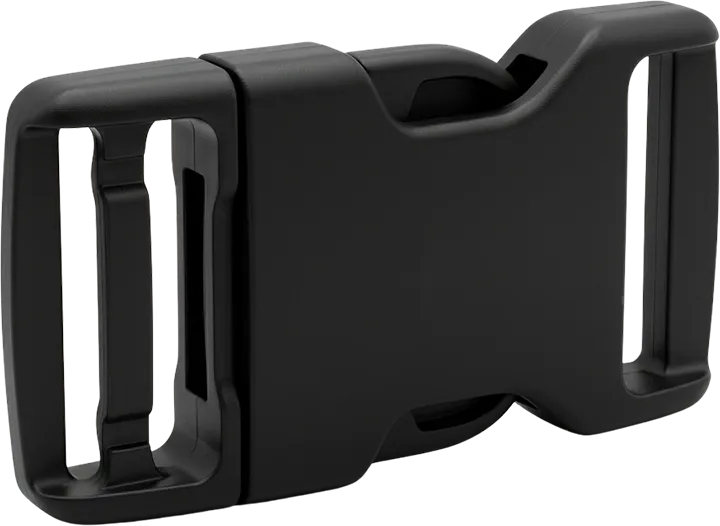
High-toughness resin mimicking nylon's durability, specifically developed for functional snap-fit components.
| Compatible Technologies | SLA/DLP Printing |
| Tensile Strength | 35 MPa |
| Heat Deflection Temperature (HDT) | 52°C |
| Hardness | 77 (Shore D) |
| Available Colors | Black |
Upload your CAD files and receive a custom quote within 2 hours.
Your uploads are confidential and secure.
Why Choose Nylon-Like Engineering Resin?
Nylon-Like Engineering Resin (often called “Tough Resin”) is an SLA/DLP printing material designed to simulate the mechanical toughness of ABS and Polyamide (PA) thermoplastics. Unlike standard brittle resins, it offers high impact resistance and flexibility, making it perfect for snap-fit mechanisms, clips, and assembly parts that need to flex without breaking. It combines the smooth surface finish of Resin 3D Printing (SLA / DLP) with the durability of engineering plastics. It is the ideal choice for functional prototypes requiring better surface aesthetics than SLS Nylon without compromising on toughness.
Advantages
High Toughness: Absorbs energy upon impact and resists breaking when bent.
Snap-Fit Ready: Its flexibility allows assembly tabs and locking mechanisms to function correctly without snapping.
Machinability: Suitable for post-processing operations like drilling and tapping without cracking.
Smooth Surface: Delivers injection-molding quality surfaces ready for painting, superior to powder-based technologies.
Limitations
Creep: Can deform over time under constant load (not suitable for parts under permanent stress).
Heat Resistance: Lower heat deflection temperature compared to actual Nylon (Typically 50-60°C).
Thin Walls: Very thin walls (under 1mm) may become too flexible and lose structural rigidity.
Mechanical Properties
Metric Measurements
Elastic Modulus
1.65 GPa
Elongation at Break
25 %
Density
1.2 g/cm³
Nylon-Like Resin FAQ
What is the difference between Nylon-Like Resin and SLS Nylon (PA12)?
The main difference is surface quality. Parts made with SLS 3D Printing (Powder Sintering) (actual Nylon) have a rough, powdery finish, whereas Nylon-Like Resin (SLA) is smooth and detailed. However, actual SLS Nylon offers better heat resistance.
Is this material suitable for snap-fit testing?
Yes, this is its primary strength. While standard resins snap when flexed, Nylon-Like Resin flexes and locks into place. This allows you to perform reliable assembly verification during Functional Prototyping.
Can the parts be drilled or tapped?
Yes. Since the material is not brittle, it can be drilled and threaded. It also holds self-tapping screws securely.
How is the impact resistance?
It has significantly higher Izod Impact Strength than standard resins, making it resistant to drops and shocks. For specific technical values, you can refer to common Izod Impact Strength Testing Standards.
Which industries use Nylon-Like Resin?
It is frequently used in the Consumer Electronics sector for housing prototypes, robotic grippers, and assembly jigs.
Does it experience creep (deformation)?
If the part is under constant stress (e.g., a compressed spring), it may experience “creep” or deformation over time. For permanent load-bearing parts, glass-reinforced materials are recommended.
Quote in Seconds, Parts in Days
Upload your 3D CAD files, select your manufacturing technology, and receive an instant cost analysis. Zero wait time, no minimum order requirements.