


Automotive and Mobility
Accelerate R&D with test parts, jigs & fixtures, and low-volume production. 1 to 500 parts via FDM, MJF, and SLS in 3-7 days.
Upload your CAD files and receive a custom quote within 2 hours.
Your uploads are confidential and secure.
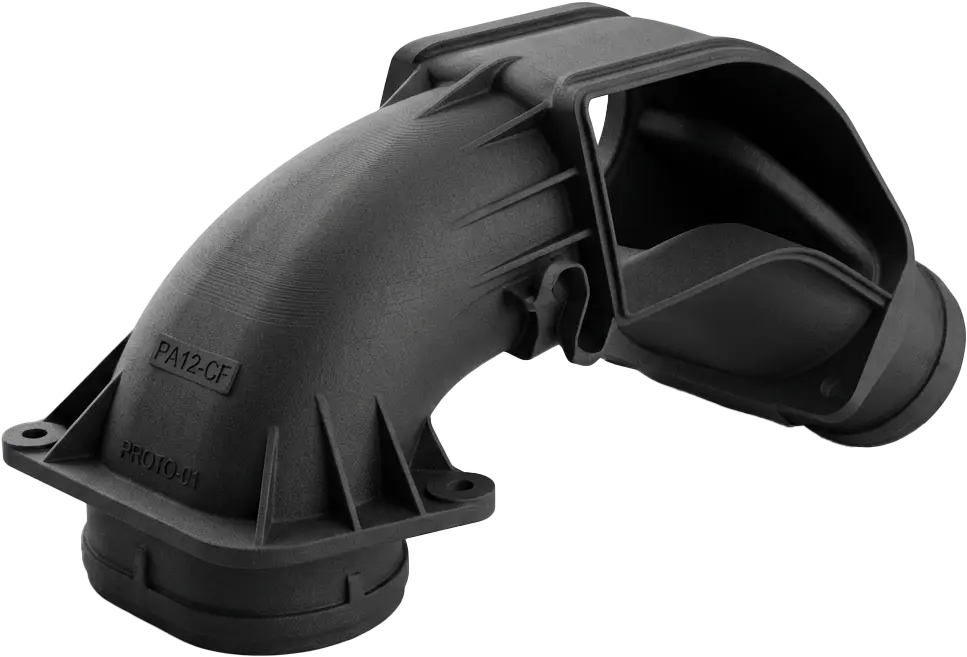
Recommended Technologies for Automotive
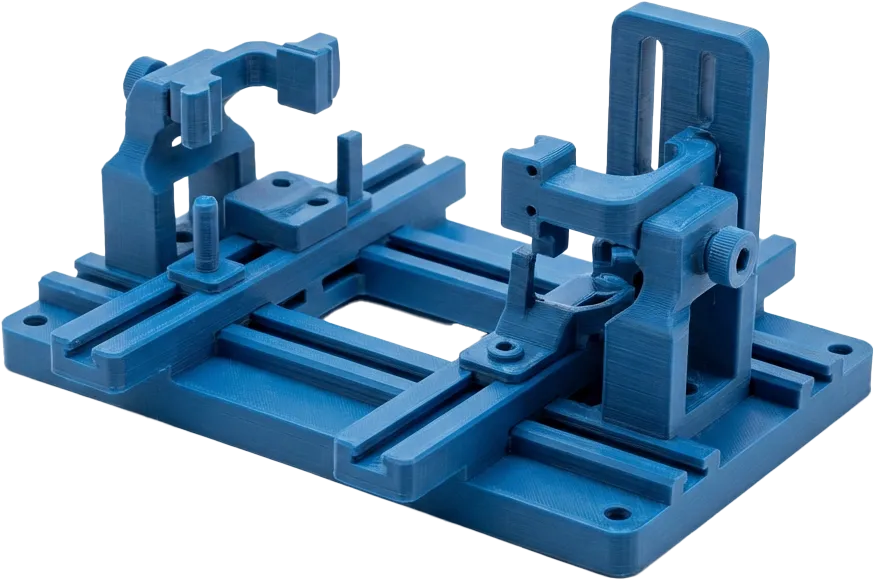
FDM 3D Printing
Durable thermoplastics for assembly line jigs, fixtures, and large-scale body prototypes.
HP MJF 3D Printing
Serial production of functional air ducts and brackets requiring high heat and chemical resistance.
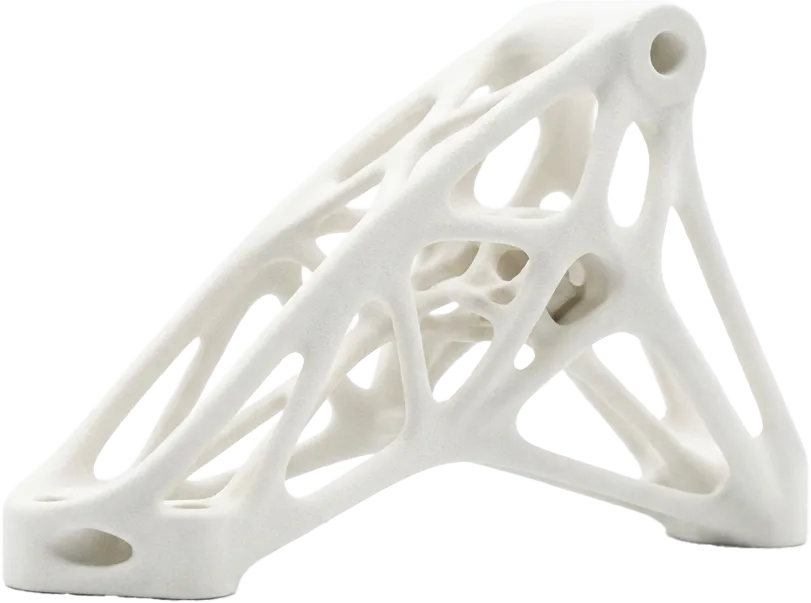
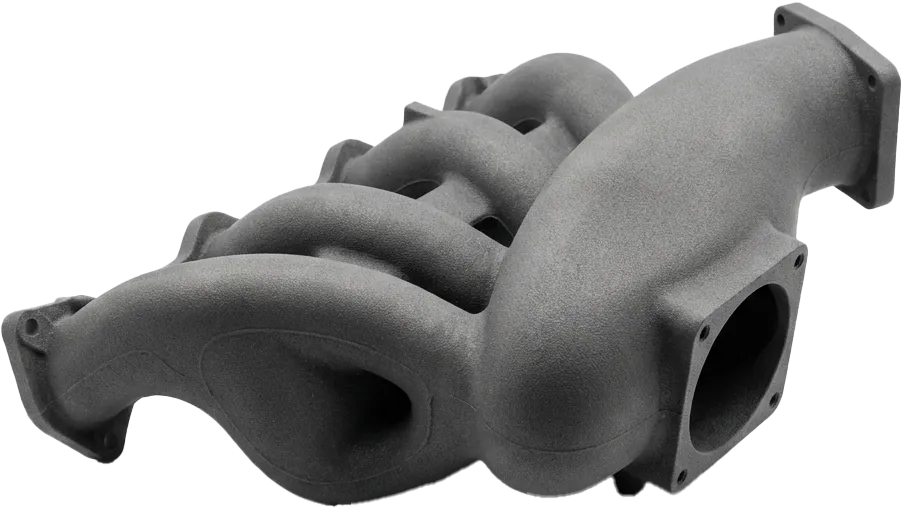
SLS Printing (Sintering)
Complex manifolds and moving mechanisms produced without support structures.
Vacuum Casting
Injection-quality interior trim and button sets for pilot fleets of 20-50 vehicles.
Recommended 3D Printing Materials for Automotive Industry
| Material | Technology | Properties | Applications |
|---|---|---|---|
| Nylon PA12 (Engineering) | SLS Printing | High-strength Polyamide 12 with a low friction coefficient and superior wear resistance for mechanical tools. | Air intake manifolds, fuel clips. |
| ABS Filament (Industrial) | FDM Printing | Impact-resistant and machinable industrial plastic with moderate heat deflection properties. | Interior trim prototypes, mirror caps. |
| Carbon Fiber Reinforced Nylon | FDM Printing | Carbon fiber reinforced composite offering ultra-high rigidity and strength for metal replacement components. | Assembly fixtures, structural brackets. |
| HTR High Temperature Resin | SLA/DLP Printing | Heat-resistant resin capable of withstanding temperatures over 150°C under load, ideal for thermal flow testing. | Under-hood sensor testing, lighting. |
| TPU-E Flexible Filament | FDM Printing | High wear-resistant thermoplastic elastomer with excellent rebound, ideal for rubber-like functional parts. | Bellows, gaskets, vibration dampers. |
The Role and Application Areas of 3D Printing in the Automotive Industry
Design Validation and Rapid Prototyping
Aerodynamic parts for wind tunnel testing or manifolds for fluid flow analysis are produced in hours for new vehicle models. Thanks to Visual and Concept Prototypes, design errors are detected early before expensive tooling investments are made.
Production Line Efficiency: Jigs and Fixtures
Customized manufacturing aids are critical for improving assembly line performance and reducing error rates. Jigs and Fixtures produced with FDM 3D Printing Service instead of metal CNC machining are 70% lighter and can be ergonomically optimized for operators.
Digital Inventory and Spare Parts Management
One of the biggest hidden costs in the automotive industry is the physical warehousing of thousands of spare parts. We convert physical warehouses into digital inventories via 3D Scanning & Reverse Engineering. Parts for classic cars or discontinued models are produced only on-demand.
End-Use Part Production and Lightweighting
Reducing vehicle weight is vital, especially for extending the range of Electric Vehicles (EVs). With SLS 3D Printing Service, metal parts are replaced with lightweight composites using topology optimization and lattice structures that are impossible to manufacture with traditional methods.
Automotive Industry FAQ
Can 3D printed parts be used in under-hood tests?
Yes. Materials like HTR High Temperature Resin or PA12 Nylon can withstand temperatures ranging from 150°C to 280°C and engine vibrations.
Is there a material compatible with fuel and oil?
Nylon PA12 and PA11 materials demonstrate excellent chemical resistance against gasoline, motor oil, and brake fluids. We apply chemical impregnation for leak-proof performance.
Is it safe to replace metal parts with plastic?
By using Carbon Fiber Reinforced Nylon for load-bearing brackets, we can match the strength of aluminum with a 50% weight reduction.
Can you produce parts for classic car restoration?
Yes. We digitize broken or missing parts via 3D scanning and reproduce them, adhering to the original design or reinforcing them. Chrome plating or painting restores the original look.
How is the surface quality for interior trim parts?
For parts where visual aesthetics are crucial, we use SLA / DLP Resin Printing or Vacuum Casting, offering “Class-A” surface quality through sanding and painting processes.
Can it be used for serial production?
While injection molding is recommended for high volumes (10,000+), RIM Molding Service and 3D printing are more cost-effective for luxury vehicles or special series (50-500 units).
Quote in Seconds, Parts in Days
Upload your 3D CAD files, select your manufacturing technology, and receive an instant cost analysis. Zero wait time, no minimum order requirements.