


Reaction Injection Molding (RIM)
Our Reaction Injection Molding (RIM) service enables the serial production of large, lightweight, and impact-resistant polyurethane parts with low tooling costs.
Upload your CAD files and receive a custom quote within 2 hours.
Your uploads are confidential and secure.
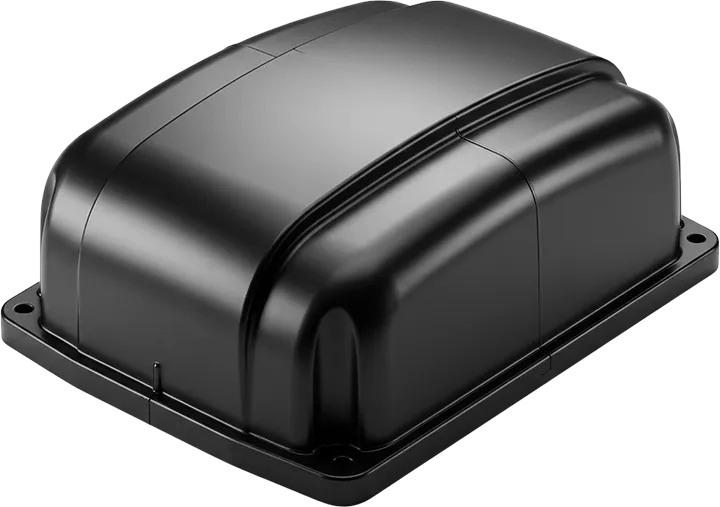
What is RIM (Reaction Injection Molding)?
RIM (Reaction Injection Molding) is a process where two liquid components (Polyol and Isocyanate) are mixed and injected into a mold under low pressure to cure. Unlike high-pressure injection molding, RIM technology requires significantly less clamping force.
This feature allows ProtoDep to use cost-effective mold materials like Heat Resistant Epoxy Board or aluminum instead of expensive steel. It is an unrivaled technology for the low-to-medium volume series production of large, lightweight, and impact-resistant parts such as automotive bumpers, tractor panels, and MRI device covers.
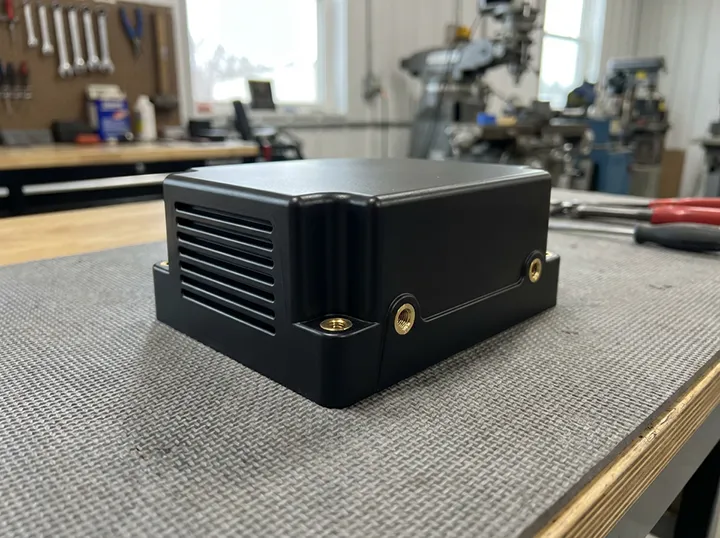
RIM Molding Advantages
Low Tooling Cost: Since it operates at low pressure, molds are made from Aluminum or Epoxy, reducing costs by 50%-80%.
Large Part Production: Massive parts up to 2 meters can be produced in a single shot while remaining lightweight.
Variable Wall Thickness: Thick and thin sections can coexist in the same part without “sink mark” issues.
Insert Molding: Metal screws, frames, or electronics can be perfectly encapsulated into the part during molding.
RIM Molding Limitations
Cycle Time: Curing time is longer than thermoplastic injection (5-15 mins per part). Slower for very high volumes (10,000+).
Material Limitation: Generally limited to Polyurethane (PU) derivatives (rigid, foam, or elastomeric).
Post-Processing Required: Parts require cleaning and sanding to remove mold release agents before painting.
Flash Removal: Due to low viscosity, fine flash at mold parting lines requires manual trimming.
RIM Production Specifications
Metrik Ölçüler
Maximum Build Volume
380 x 284 x 380 mm
Standard Tolerance
±0.2 mm
Layer Thickness
80 mikron
Min. Wall Thickness
0.8 mm
RIM Material Options
Depending on your project requirements, we offer impact-resistant Elastomeric Polyurethane, Rigid Polyurethane Foam for structural strength, or formulations similar to PU Casting Resin (ABS-like).
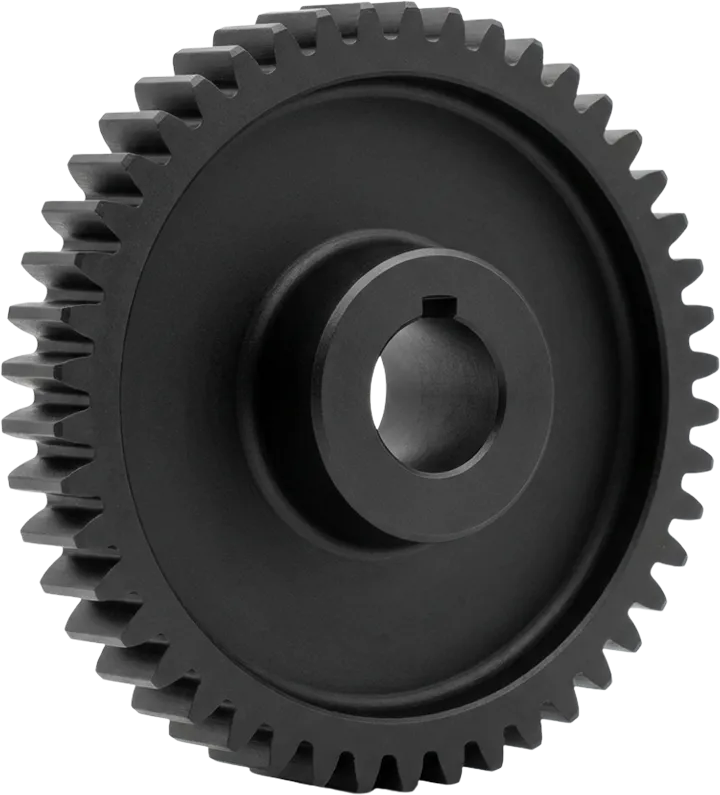
Technical PU Resin (Nylon-Like)
Nylon-equivalent technical casting resin with high mechanical strength and wear resistance for gears and tools.
About Technical PU Resin (Nylon-Like)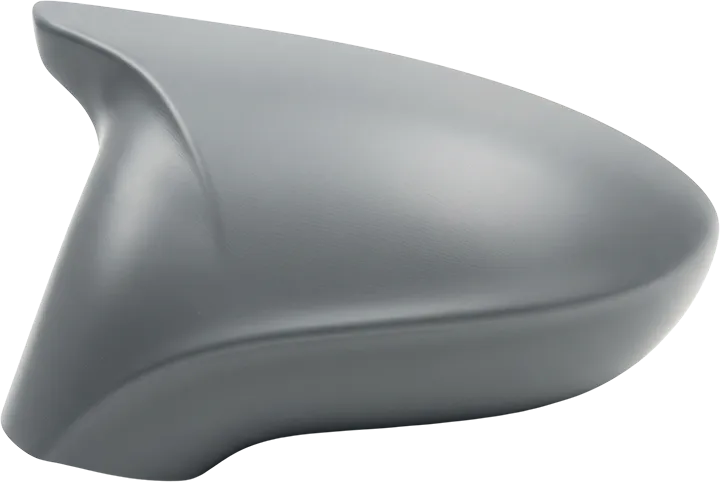
High Density Tooling Board
High-density tooling board offering precision surface finishes and high wear resistance for molding and masters.
About High Density Tooling Board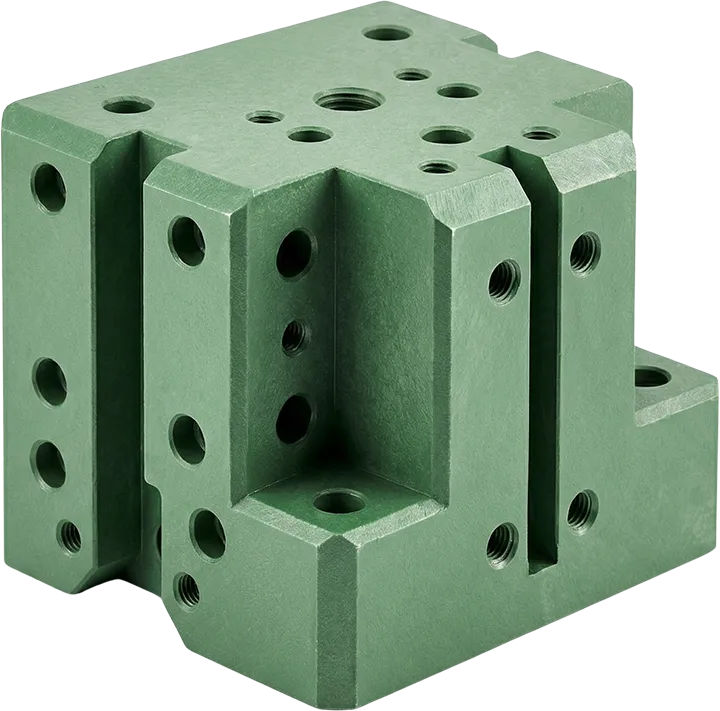
Rigid Industrial Tooling Board
High-rigidity industrial block designed for check fixtures, jigs, and high-durability manufacturing tools.
About Rigid Industrial Tooling Board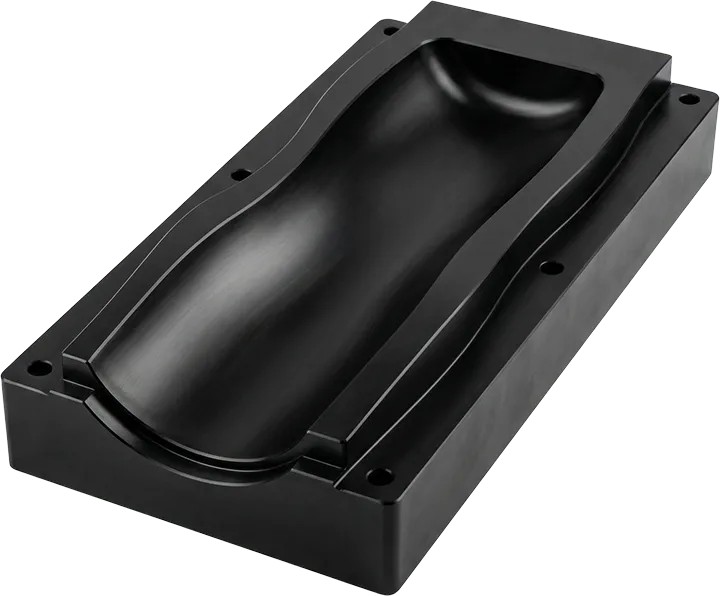
Heat Resistant Epoxy Board
Heat-resistant rigid epoxy tooling board designed for composite manufacturing (Prepreg/Autoclave).
About Heat Resistant Epoxy BoardIndustries Using RIM Molding

Medical and Healthcare Technologies
The large exterior housings of low-volume X-Ray, MRI, and laboratory devices are produced with RIM technology, offering high aesthetics and impact resistance.
Explore Industry
Automotive and Mobility
Bumpers, fenders, and interior trim parts for buses, trucks, and construction machinery. Provides lightweight and paintability advantages.
Explore Industry
Industrial Machinery and Robotics
Protective covers for large industrial robots and production lines. Parts reinforced with metal inserts, resistant to oil and impact.
Explore IndustryRIM Molding FAQ
When is Reaction Injection Molding (RIM) the most cost-effective choice for manufacturing?
Reaction Injection Molding (RIM) is the most economical solution for production volumes between 50 and 2,000 units. It bridges the gap between prototyping and mass production, providing significant cost savings over expensive steel injection molds while maintaining industrial-grade quality for large, complex parts.
What types of rapid tooling materials are used for RIM molds?
The choice of RIM mold material depends on the production quantity and complexity. For low-volume prototyping, we use high-density machined Epoxy blocks. For medium-to-high volume serial production, we utilize Aluminum 7075 rapid tooling, which ensures tighter tolerances, better thermal management, and longer mold life.
What should be the wall thickness?
The ideal wall thickness for RIM parts is between 3mm and 10mm. However, foam-structured materials can allow thick sections up to 30mm without sinking.
Can RIM molded polyurethane parts achieve an automotive-grade (Class-A) surface finish?
Yes, RIM polyurethane parts are known for their exceptional paint adhesion. They can be finished to meet Class-A automotive or medical-grade standards, including professional custom color matching and various textures, making them ideal for visible exterior components and medical device housings.
Is it possible to encapsulate metal inserts or brackets during the RIM process?
Through the ‘Insert Molding’ technique, metal components such as brass threaded inserts, steel mounting brackets, or structural frames can be precisely placed and encapsulated within the polyurethane during the injection process. This significantly enhances the part’s mechanical strength and simplifies final assembly for end-users.
What is the heat resistance of RIM parts?
While it varies by polyurethane formulation, structural RIM parts typically offer heat resistance between 80°C and 120°C.
What is the typical turnaround time for starting serial production with RIM molding?
Reaction Injection Molding is a rapid tooling process designed for speed. Including the CNC machining of the mold and First Article Inspection (FAI), we can typically transition to serial production within 2 to 4 weeks, which is significantly faster than the months required for traditional steel injection tooling.
Quote in Seconds, Parts in Days
Upload your 3D CAD files, select your manufacturing technology, and receive an instant cost analysis. Zero wait time, no minimum order requirements.