


High-Resolution Resin Printing (SLA/DLP)
Our SLA/DLP Resin Printing service produces models with injection-mold quality smooth surfaces and micron precision using clear, flexible, or castable resins.
Upload your CAD files and receive a custom quote within 2 hours.
Your uploads are confidential and secure.
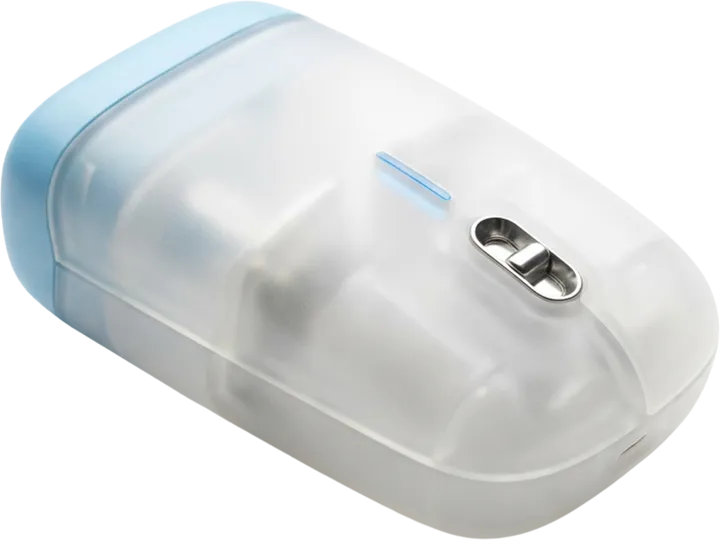
What is SLA / DLP Resin Printing?
SLA (Stereolithography) and DLP (Digital Light Processing) are the world’s most precise 3D printing technologies, operating by curing liquid photopolymer resin layer by layer using a UV light source (laser or projector). Unlike FDM technology, they produce glass-smooth parts where layer lines are virtually invisible.
At ProtoDep, with our industrial SLA fleet, we cater to diverse needs ranging from Castable Wax Resin models used in jewelry and dentistry to ABS-Like Technical Resin prototypes for automotive testing. Especially if you require a flawless “Master Model” before Vacuum Casting, SLA technology is the only correct choice.
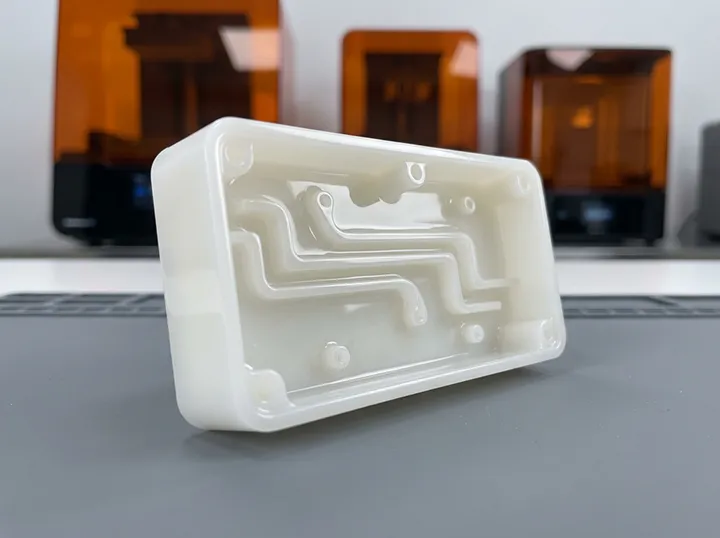
SLA/DLP Printing Advantages
Flawless Surface: Layer lines are barely visible to the naked eye; looks like an injection-molded part after sanding and painting.
High Precision: Can achieve layer heights down to 0.025 mm (25 microns), printing very thin walls and intricate details.
Specialized Capabilities: Full transparency, high heat resistance (280°C), or silicone-like flexibility is possible.
Watertightness: Since the material cures homogeneously, parts are naturally watertight and airtight.
SLA/DLP Printing Limitations
Support Marks: Parts are printed with support structures attached to the build plate; removing them leaves small marks that require sanding.
UV Sensitivity: Standard resins are sensitive to sunlight and may yellow or become brittle over time (Must be protected with varnish).
Brittleness: Standard resins are more brittle than FDM plastics; they tend to snap rather than flex under impact.
Production Cost: Liquid resin raw material is generally more expensive than thermoplastic filaments.
SLA Production Specifications
Metrik Ölçüler
Maximum Build Volume
380 x 284 x 380 mm
Standard Tolerance
±0.2 mm
Layer Thickness
80 mikron
Min. Wall Thickness
0.8 mm
SLA Material Options
We offer an extensive library including Standard Prototyping Resin for visual models, Nylon-Like Engineering Resin for functional testing, Clear Transparent Resin for optical applications, and HTR High Temperature Resin for thermal resistance.
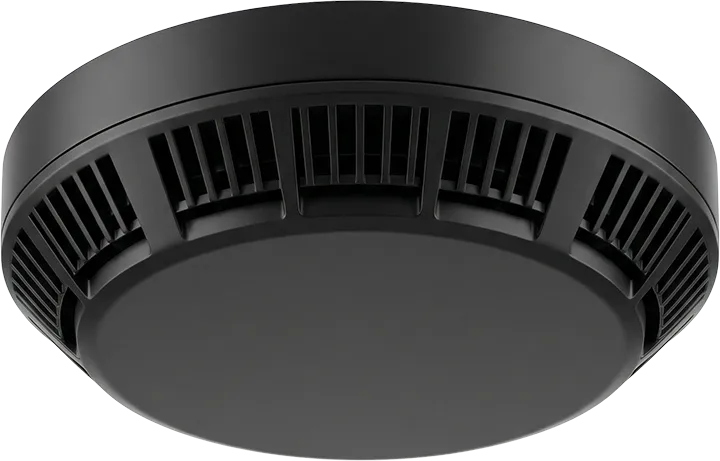
Flame Retardant Resin (UL94)
High-performance resin meeting UL94-V0 flammability standards for high-safety aerospace and rail applications.
About Flame Retardant Resin (UL94)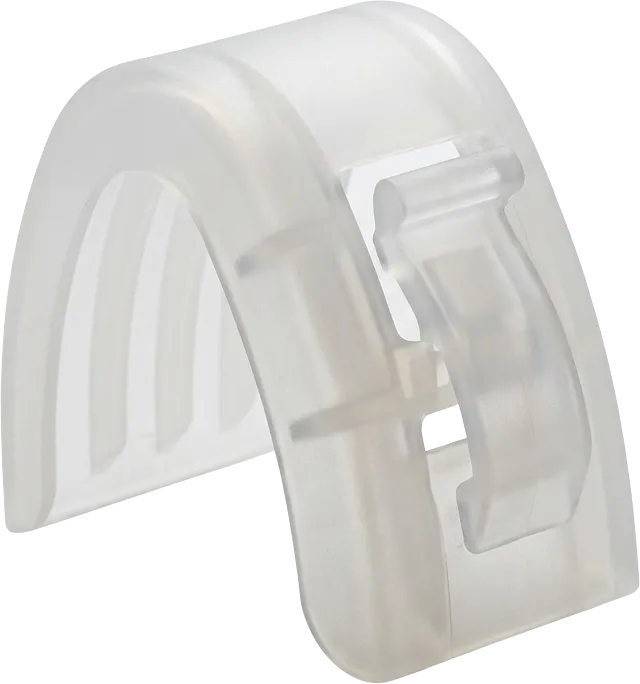
PP-Like Flexible Resin
Fatigue-resistant technical resin mimicking Polypropylene (PP), ideal for living hinges and flexible parts.
About PP-Like Flexible Resin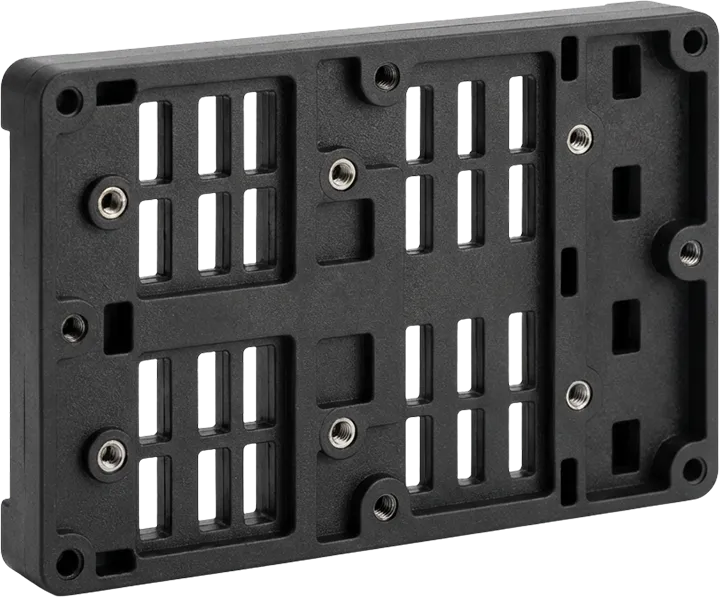
ESD Antistatic Resin
Static-dissipative technical resin with surface resistance designed to protect sensitive electronic components.
About ESD Antistatic Resin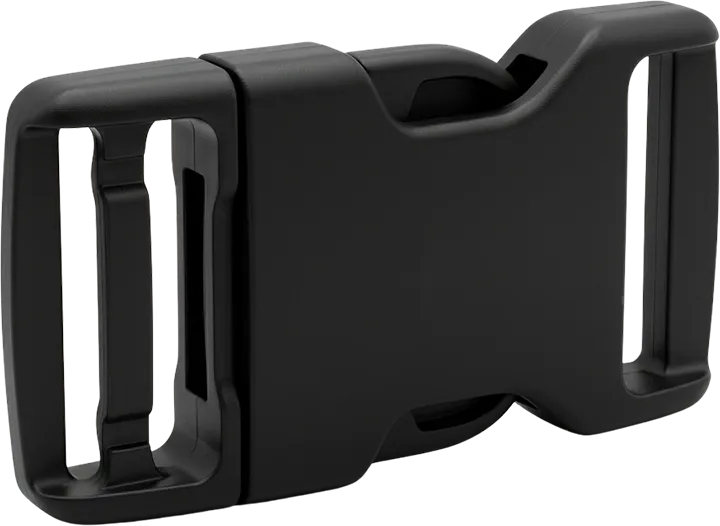
Nylon-Like Engineering Resin
High-toughness resin mimicking nylon’s durability, specifically developed for functional snap-fit components.
About Nylon-Like Engineering Resin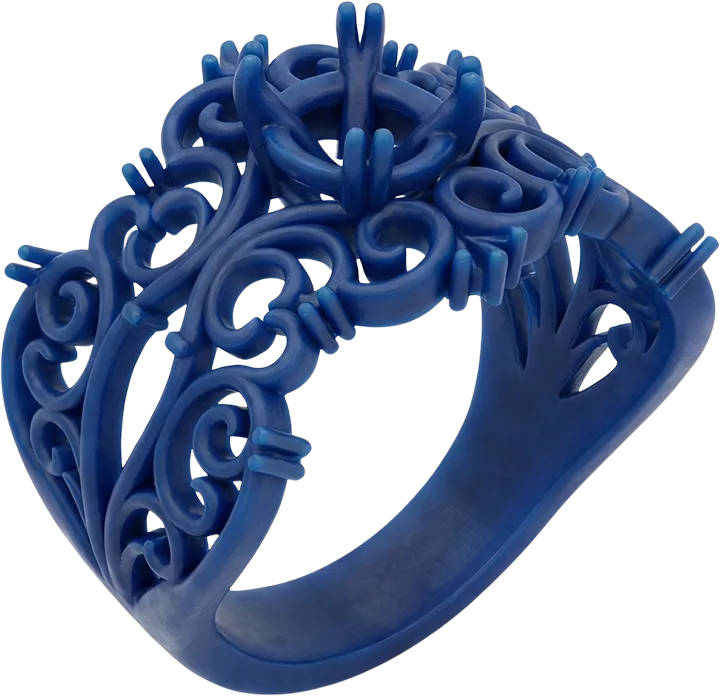
Castable Wax Resin
Clean-burning investment casting resin for lost-wax processes, delivering high detail for jewelry and dental parts.
About Castable Wax Resin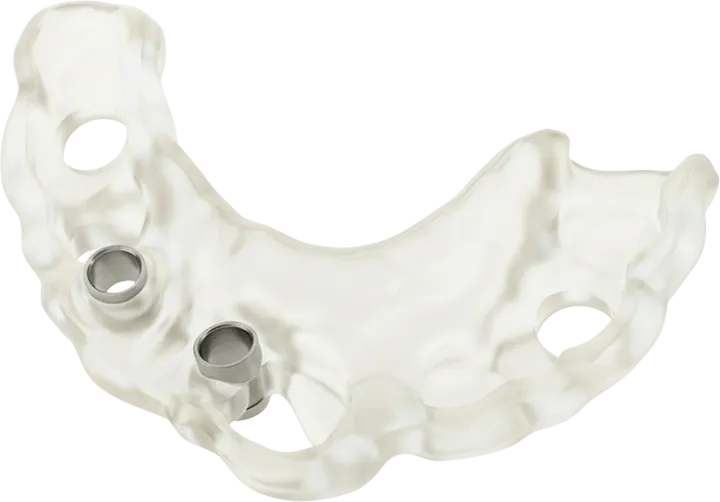
Biocompatible Dental Resin
Certified biocompatible resin safe for prolonged skin and mucosal contact, ideal for medical surgical guides.
About Biocompatible Dental Resin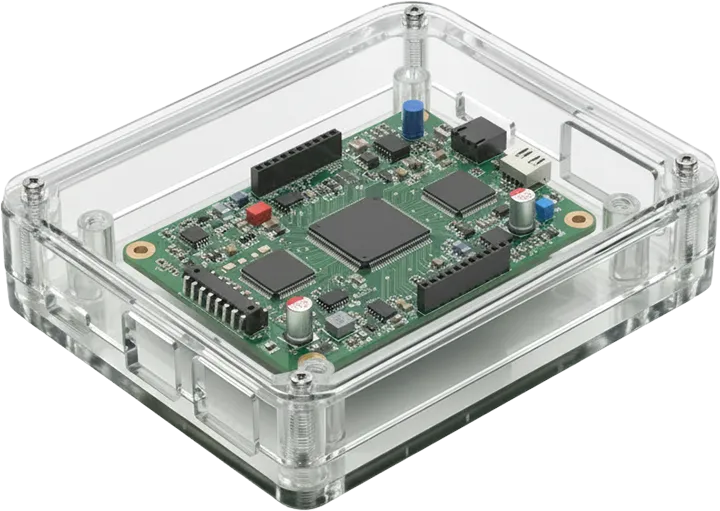
Clear Transparent Resin
Polishable resin that achieves glass-like transparency, perfect for lenses and transparent housing prototypes.
About Clear Transparent Resin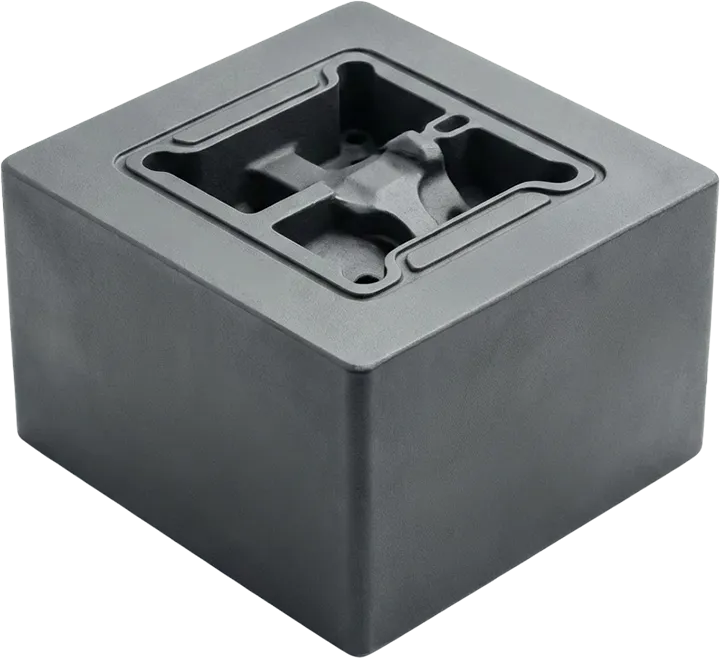
HTR High Temperature Resin
Heat-resistant resin capable of withstanding temperatures over 150°C under load, ideal for thermal flow testing.
About HTR High Temperature Resin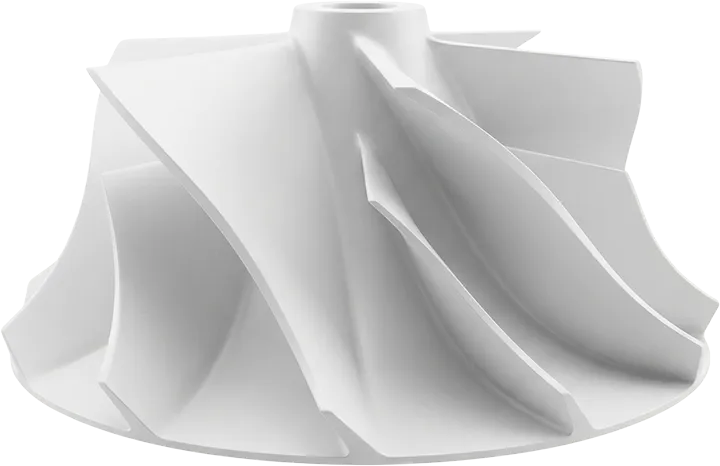
Rigid Glass-Filled Resin
Ultra-stiff glass-filled resin with high thermal stability, designed to resist deflection in thin-walled components.
About Rigid Glass-Filled Resin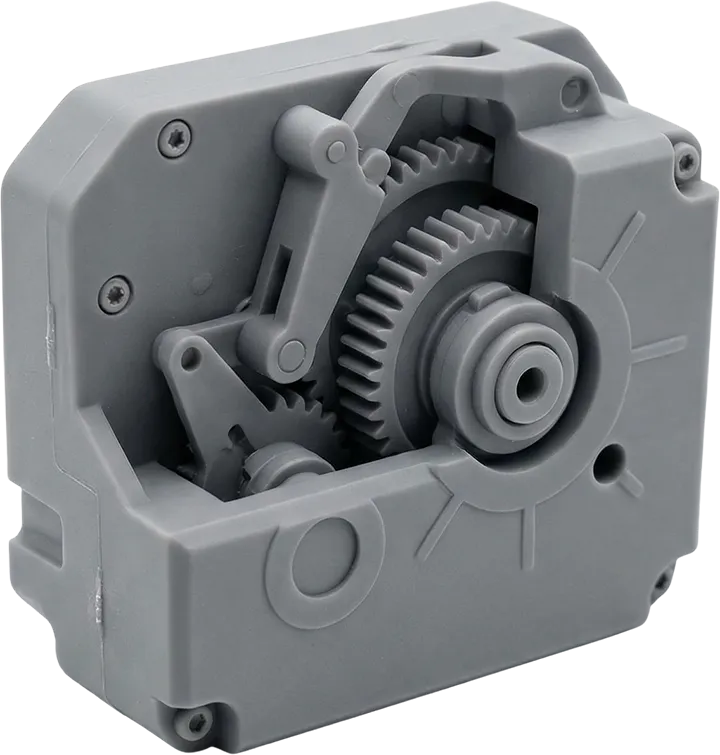
ABS-Like Technical Resin
Highly detailed photopolymer resin that mimics ABS mechanical properties, offering superior impact resistance.
About ABS-Like Technical Resin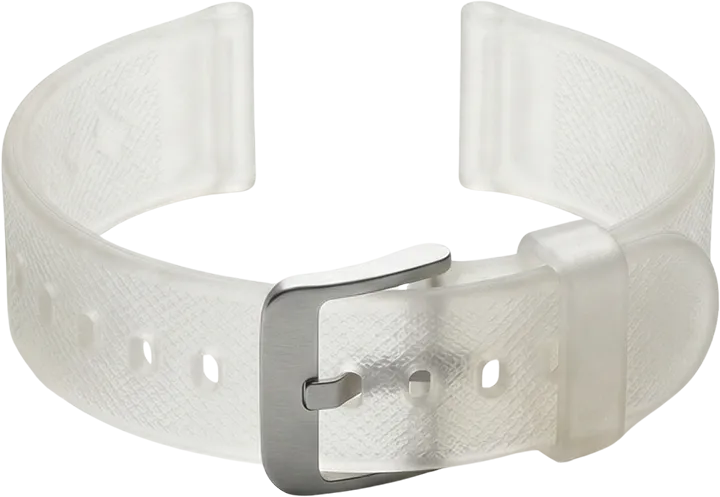
Elastic Resin (Soft)
80A Shore hardness flexible resin that is bendable and returns to its original shape, ideal for soft-touch parts.
About Elastic Resin (Soft)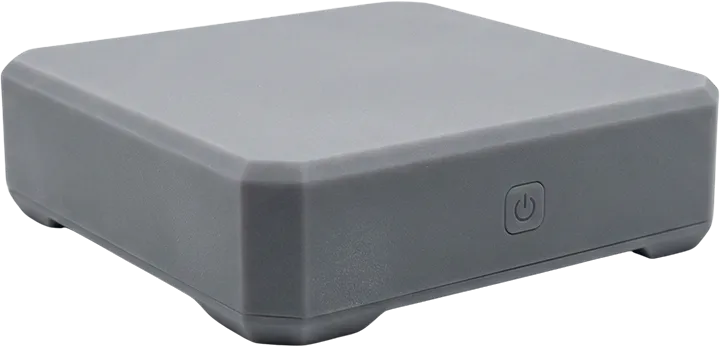
Standard Prototyping Resin
High-resolution visual resin offering smooth surface finishes and micron-level detail for presentation prototypes.
About Standard Prototyping ResinIndustries Using SLA Printing

Medical and Healthcare Technologies
Patient-specific surgical guides, hearing aid shells, and dental models are produced using Biocompatible Dental Resin, which is sterilizable and ISO-compliant.
Explore Industry
Consumer Electronics
The ideal technology for cosmetic mock-ups used in pre-launch product photography, earbud prototypes, and transparent display covers. Additionally, ESD Antistatic Resin can be used for electronic assembly jigs.
Explore Industry
Automotive and Mobility
Parts requiring optical clarity such as headlight lenses, light pipes, and dashboard panels are manufactured. Furthermore, under-hood sensor housings can be tested with Rigid Glass-Filled Resin.
Explore IndustrySLA 3D Printing Design Guide
Why should models be hollowed out for SLA/DLP 3D printing?
Hollowing out parts in SLA and DLP 3D printing is essential to significantly reduce resin consumption and minimize suction forces (vacuum effect) during the printing process. For optimal results and structural integrity, we recommend a wall thickness of 2-3 mm, which prevents cracking while maintaining the part’s durability.
Are drain holes mandatory for hollow resin 3D printed parts?
Yes, adding at least two drain holes to hollow designs is critical. These holes allow uncured liquid resin to escape from the interior and equalize internal pressure. Without proper drainage, trapped resin can cause the part to crack or even explode over time due to internal stress and pressure build-up.
What is the recommended minimum wall thickness for SLA 3D printing?
For high-precision SLA printing, supported walls can be as thin as 0.5 mm. However, to ensure structural rigidity, prevent warping, and improve post-processing handling, a minimum wall thickness of 0.8 mm to 1.0 mm is highly recommended for most engineering and prototyping applications.
Can SLA resin parts withstand outdoor UV exposure and sunlight?
Standard photopolymer resins are sensitive to UV light and can become brittle or lose color when exposed to direct sunlight for extended periods. To use SLA parts outdoors, it is necessary to apply a UV-protective clear coat or professional-grade paint to block UV radiation and ensure long-term durability.
How is optical clarity and transparency achieved in clear resin 3D prints?
Parts printed with clear resin emerge with a frosted glass appearance. To achieve true optical clarity and a ‘glass-like’ finish, parts must undergo professional post-processing, including wet sanding, polishing, and the application of a high-quality UV-resistant clear coat.
Can moving assemblies be printed in one go?
Yes, but since the resin is liquid, there is a risk of parts fusing together. A minimum clearance of 0.5 mm should be left between moving parts.
Is SLA 3D printing material food safe or biocompatible?
Standard SLA resins are not food safe. Biocompatibility is only achieved using specifically certified materials, such as Biocompatible Dental Resin (ISO 10993 compliant). These parts must also undergo strict post-processing, including thorough isopropyl alcohol (IPA) bathing and secondary UV curing, to be safe for mucosal or dental contact.
Learn More About SLA Printing
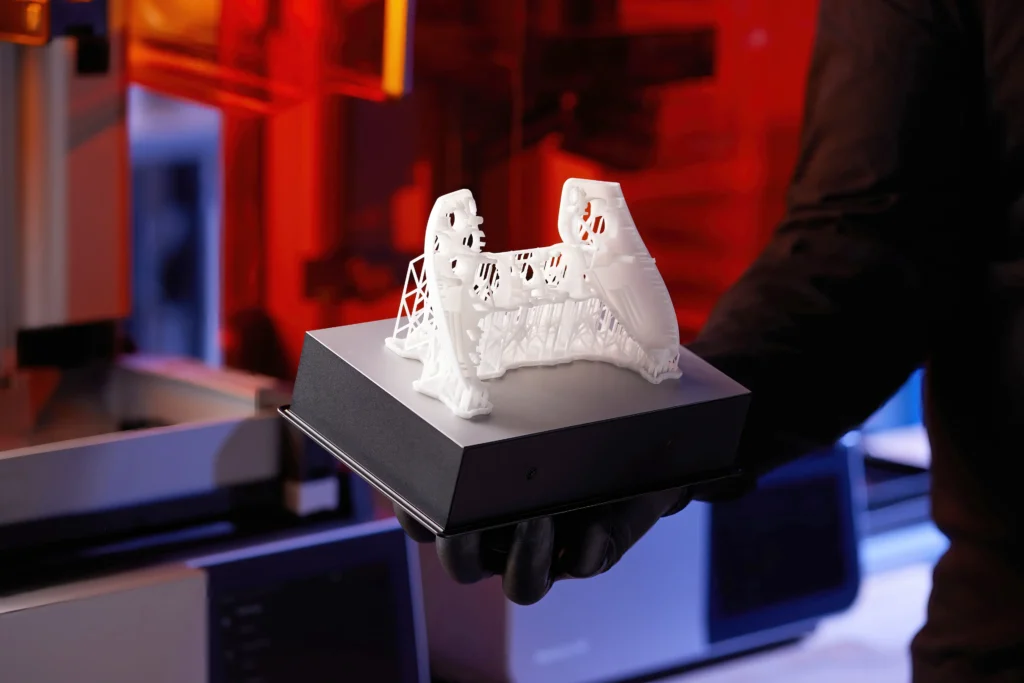
What Is SLA and DLP 3D Printing? Working Principle, Advantages, and Comparison
15 minutes
Introduction Resin-based 3D printing technologies have become indispensable for professionals seeking high resolution and exceptional surface quality in the world of additive manufacturing. SLA (Stereolithography) and DLP (Digital Light Processing) technologies offer
Read MoreQuote in Seconds, Parts in Days
Upload your 3D CAD files, select your manufacturing technology, and receive an instant cost analysis. Zero wait time, no minimum order requirements.